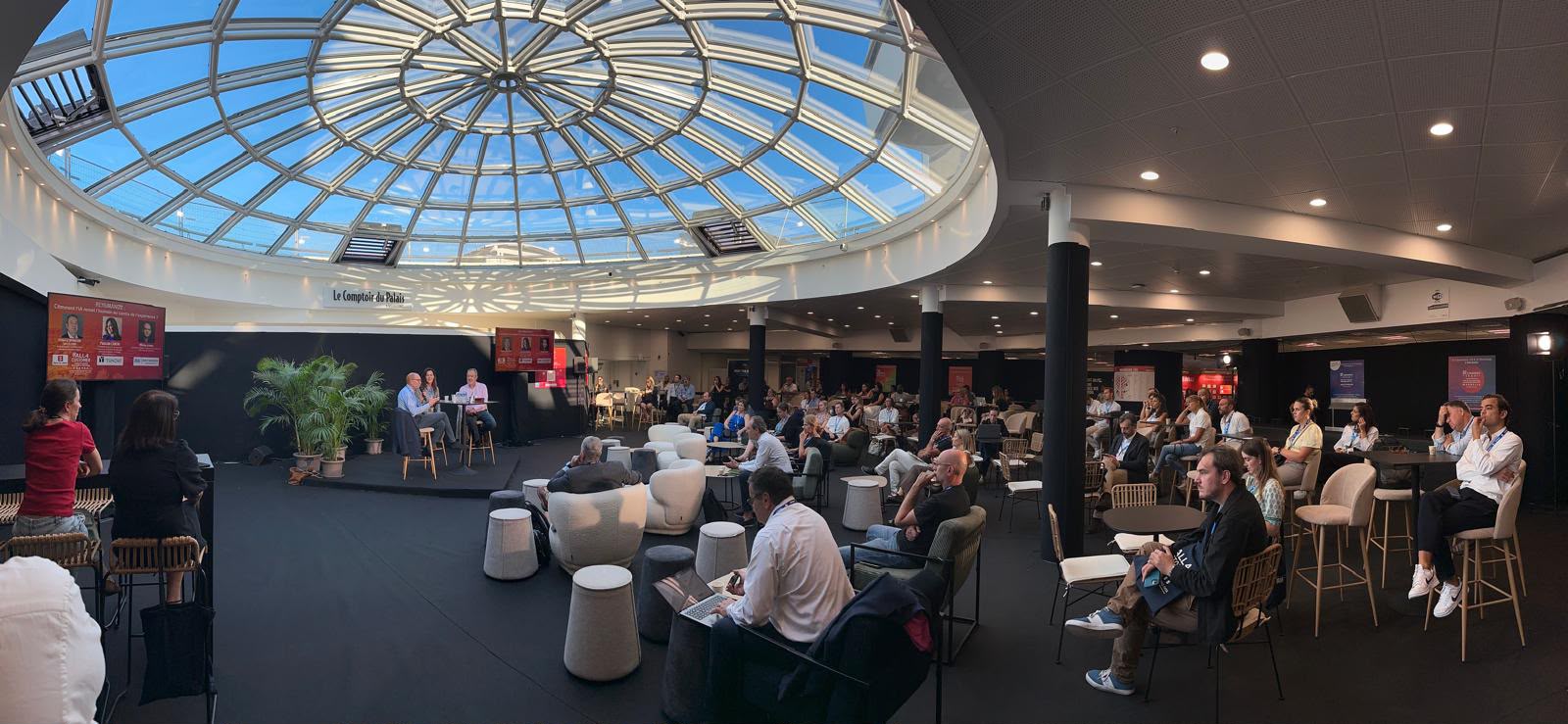
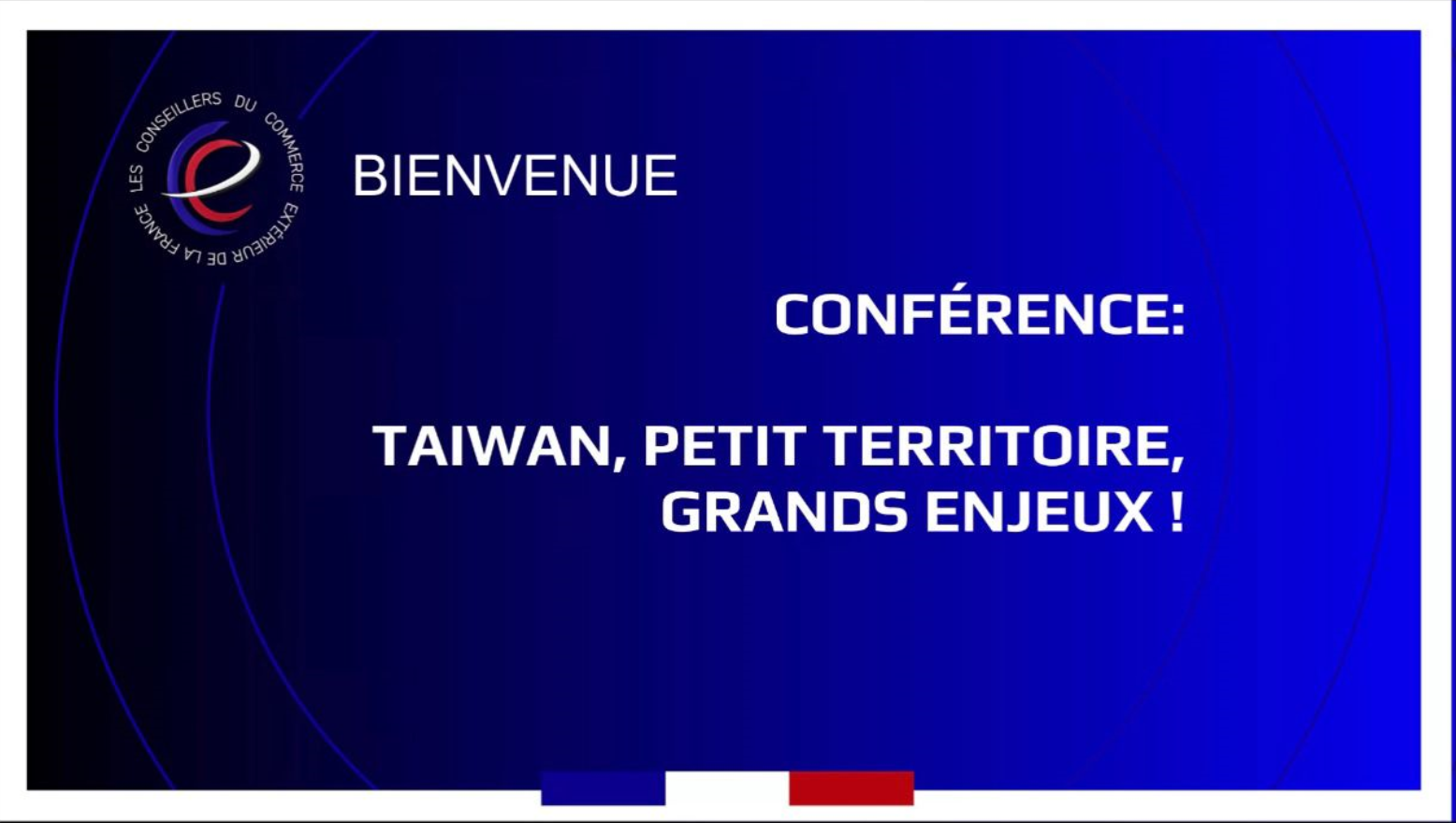
On September 16, 2025, the French Foreign Trade Advisors in Paris organized a conference dedicated to Taiwan. A meeting where diplomats, entrepreneurs and experts shared their visions on the future of Franco-Taiwanese relations, in a context of geopolitical rivalries and industrial restructuring.
Olivier Cadic, senator representing French citizens established abroad, opened the discussions by recalling that the Taiwan question goes beyond the purely economic sphere. It challenges governance equilibria and democracies’ ability to position themselves in a tense regional environment.
Franck Paris, director of the French Office in Taiwan, and Antoine Aubel, head of the economic service, provided an overview of bilateral exchanges. France massively imports electronic components and attracts strategic investments, notably in batteries with ProLogium. The cooperation aims to be pragmatic: strengthening industrial ties while maintaining necessary lucidity in the face of regional tensions.
The field experience was embodied by Cédric Jaeg, an entrepreneur established in Taiwan for thirty years and president of the local CCE committee. His testimony illustrates the reality of a dynamic but demanding market, where speed of execution and cultural adaptation are decisive. Taiwan appears as a laboratory where French companies must combine innovation, partnerships and agility to succeed.
Denis Deschamps, PhD in geopolitics, placed these exchanges in the regional framework. Taiwan, at the heart of Sino-American rivalry, concentrates stakes that far exceed its borders. Maritime routes and mastery of technologies make it a strategic pivot. The question remains open for Europe: does it want to remain a spectator or assert itself as a balancing power in this key area?
Semiconductors constituted a central moment of the debate. Julien Martin, Asia Marketing Director at Soitec, recalled Taiwan’s unique position in this vital industry. The island produces more than 70% of the world’s advanced chips thanks to TSMC, the undisputed leader in foundry services. Around this giant, hundreds of specialized companies form clusters like Hsinchu, a veritable Asian Silicon Valley. This concentration of players makes the island indispensable to the global digital economy. Without these components, no artificial intelligence, no smartphones, no electric vehicles.
Europe retains assets in materials and equipment with companies like Soitec and ASML, but it remains dependent on Taiwanese capacity. For the speakers, the question is no longer just industrial: it’s a matter of sovereignty. How can we secure supplies in a sector where the fragility of geopolitical balances could trigger a global crisis?
Other interventions broadened the spectrum. Jean-Romain Micol discussed the role of cultural and creative industries, while Stéphanie Hericher brought a comparative perspective based on extensive experience in Asia. But the core of the debate remained focused on the diplomatic and economic levers that will enable France and Europe to build a lasting relationship with Taiwan.
From this meeting emerges a shared observation: Taiwan is both a partner and a critical link in the global economy. French economic diplomacy is working to consolidate ties, entrepreneurs testify to the attractiveness but also to local challenges, and industrialists emphasize the growing dependence on Taiwanese semiconductors.
The question remains open: will Europe be able to transform this interdependence into a strategy of influence and sovereignty, or will it continue to endure the dynamics of a world where balance is also at stake in Taipei?