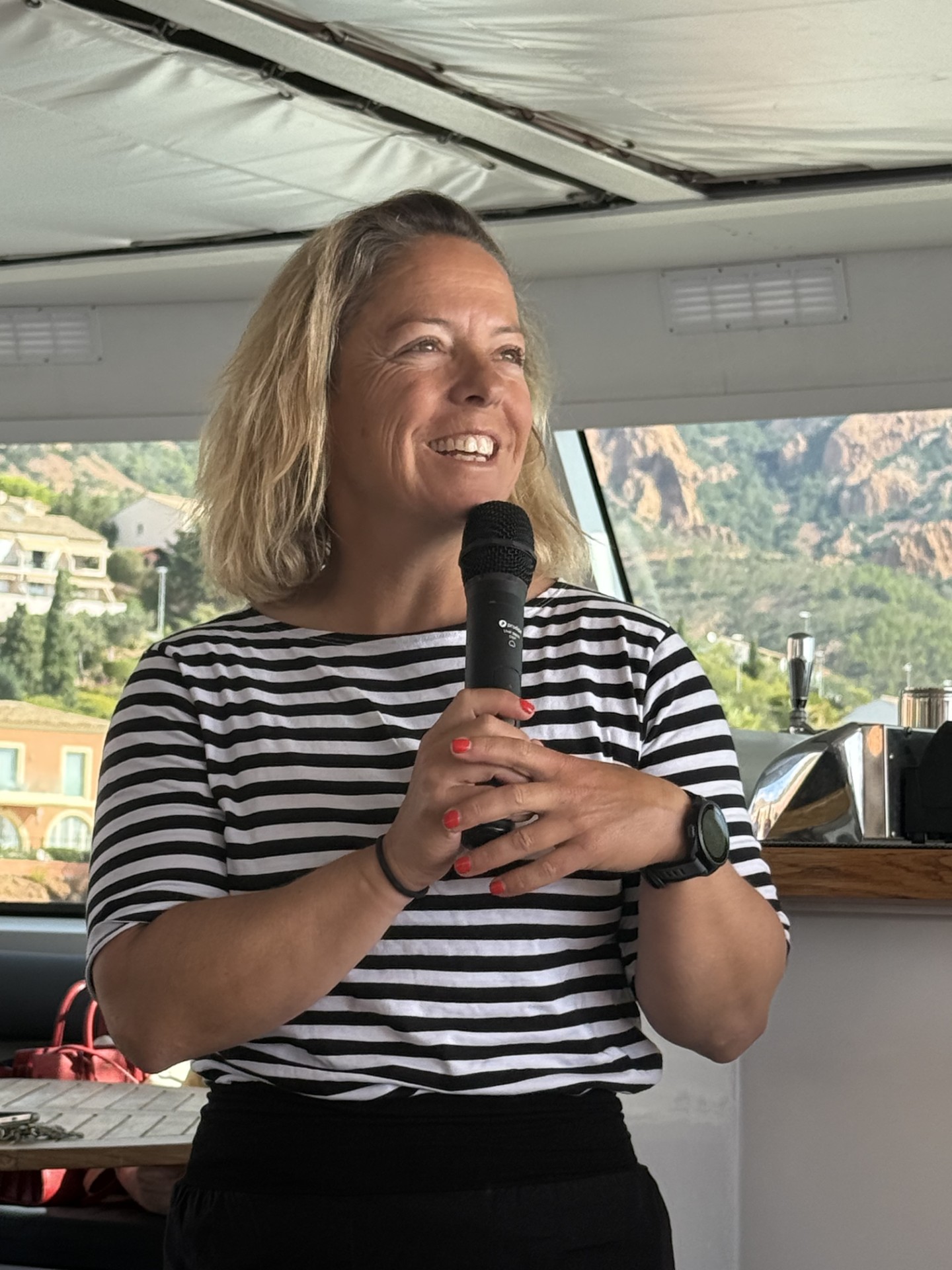
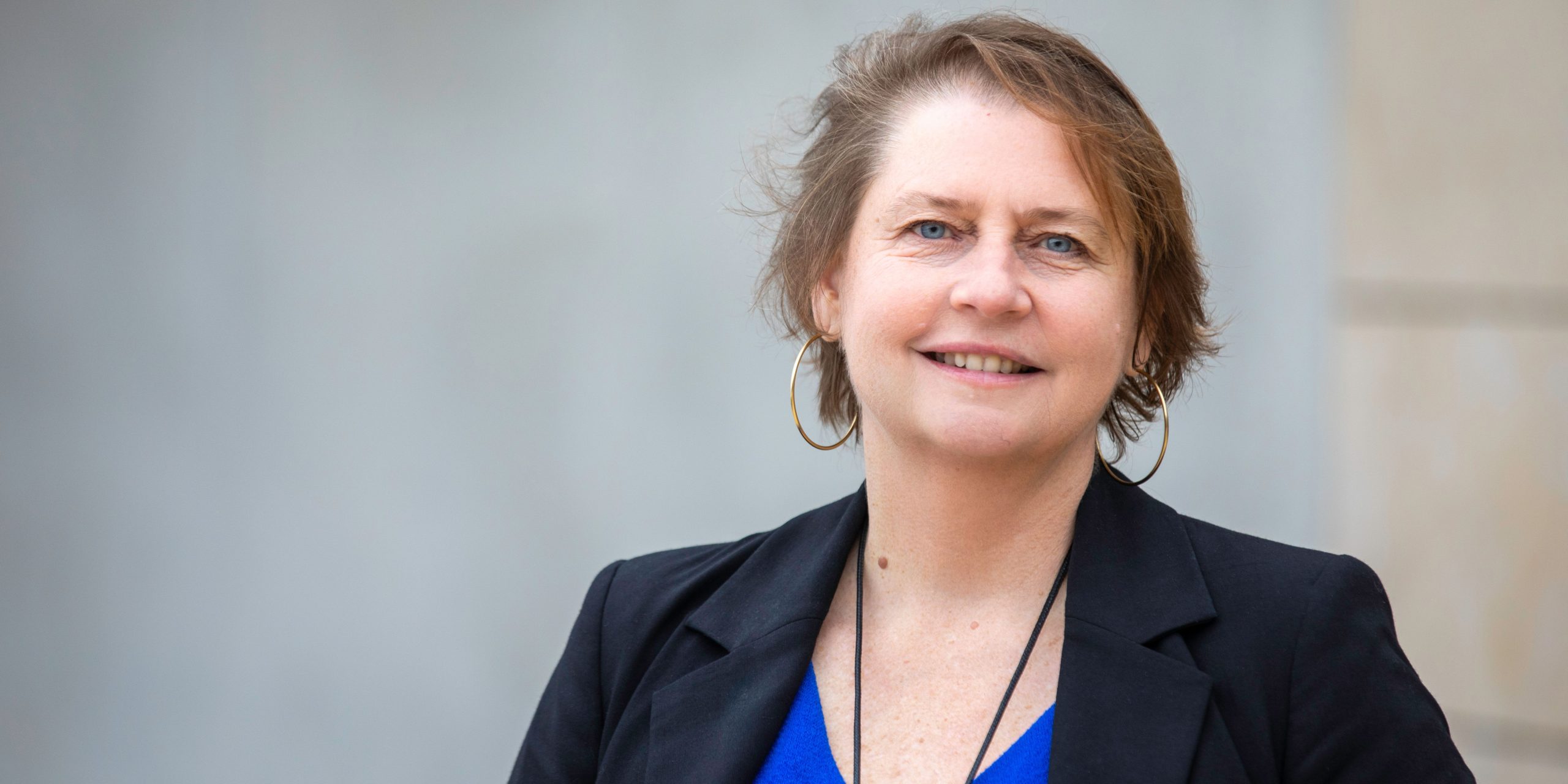
An associate researcher at Université Côte d’Azur, she has been working for nearly a decade on the societal and ethical implications of biodigitalization. This emerging discipline explores the intersections between artificial intelligence, technology, and humanity, outlining the contours of a future where the real and the virtual intertwine in unprecedented ways. She is passionate about the realm of the invisible, nonverbal communication, body language, and everything hidden at first glance. She enjoys discovering the imperceptible.
What is a biodigital?
A biodigital is a digital entity designed to simulate natural behaviors in an extremely realistic manner. More than a simple character or chatbot, the biodigital is a sophisticated construction. It integrates advanced artificial intelligence algorithms capable of reproducing emotions, facial expressions, body gestures, and verbal interactions with unsettling precision.
“Biodigitals can become indistinguishable from real humans,” explains Dr. Jauffret. “They speak, smile, express emotions, and even have imperfections like a beauty mark or a subtle wrinkle to make their appearance more authentic. Their design affects our understanding of human identity and the socio-cultural relationships between individuals. Biodigitalization allows us to rethink the meaning of being human in the age of AI. They create a bridge between the representation of humanity and mirror representations of the populations that compose it. We live in a truly illusory society; biodigitals may perhaps replace us on the other side of this mirror…”
These entities are also distinguished by their ability to personalize their interactions. Thanks to AI, they learn to analyze and respond to users’ behaviors, preferences, and expectations. For example, a biodigital can adapt to different cultural contexts, speak multiple languages, or express itself in a specific communication style that corresponds to the targeted audience.
A Revolutionary Tool in Marketing and Communication
The impact of biodigitals in marketing and communication is already tangible. They are used in advertising campaigns, represent territories in the tourism sector, or interact directly with consumers in online environments.
Dr. Jauffret cites concrete examples:
In tourism: “A biodigital can embody an ambassador for a specific region. For example, a humanized digital character speaking 50 languages could promote a destination like Provence, evoking its culture, gastronomy, and history with an emotional precision that surpasses simple traditional guides.”
In international relations
“Ukraine, often considered Europe’s digital laboratory, illustrates a unique case of digital innovation. Victoria Shi, representing the Ukrainian state in its international relations, embodies this ambitious initiative carried out at the highest level of governance. Thanks to a collective vision of Ukrainians, they were able to conceive from scratch a symbolic personality. This creation aims to offer an optimal representation of the country, including in political spheres. Ukraine thus becomes the first state to adopt a digital representative, pushing the boundaries of innovation.”
In luxury brands: Biodigitals transform into digital ambassadors, perfectly calibrated to reflect the brand’s values and aesthetics. One example is BMW with Lil Miquela. “They captivate consumers and create deep emotional connections while strengthening their loyalty.”
 These entities also offer infinite possibilities in terms of personalization. A biodigital can adapt its messages based on data collected about a user’s preferences, making each interaction unique and engaging. For example, an online store could offer a biodigital assistant that anticipates customer needs, recommends individualized products, or guides users through their purchasing journey.
“This personalization capability is both an asset and a risk,” warns Dr. Jauffret. “It can improve user experience, but also manipulate behaviors invisibly.”
On the left, this biodigital, Kenza.layli, was elected Miss on Instagram.
Personalization vs Manipulation: Ethical Issues
While biodigitals offer unprecedented opportunities, they also raise complex ethical questions. One of the main challenges lies in their potential to subtly influence consumer choices without their awareness.
“They can simulate emotional authenticity so convincingly that users believe they are interacting with a real individual. This can blur the boundaries between free decision-making and manipulative influence,” she explains.
Identified risks include:
- Loss of free will: Ultra-targeted recommendations based on behavioral data can provide the illusion of one’s own choice, when it is actually guided by invisible algorithms.
- Massive data collection: Biodigitals, in order to personalize their interactions, must collect and analyze an impressive amount of individual data. This raises concerns about privacy and the potentially abusive use of this information.
- Lack of transparency: “Users should be informed that they are interacting with a digital entity. Otherwise, we risk entering a zone where trust is compromised,” warns Dr. Jauffret.
Applications Beyond Marketing
Beyond advertising and marketing, biodigitals offer revolutionary opportunities in other sectors:
- Education: Imagine a biodigital assistant capable of personalizing teaching for each student, adapting to their pace, preferences, and specific needs. “This could democratize access to quality education, especially in under-equipped regions,” suggests Dr. Jauffret.
- Healthcare: In hospitals, biodigitals could accompany patients throughout their treatment, providing clear explanations, medication reminders, and constant emotional support.
- Entertainment: Cinema and video games are already exploring their integration. Dr. Jauffret envisions a future where viewers can become the heroes of their own films, replacing actors with their digital images. “It’s fascinating, but it also raises questions about humanity’s place in art and creativity.”
- Tribute to the deceased: An Italian company offers to design biodigitals representing deceased loved ones, capable of telling their story in interactive cemeteries. “This illustrates the complexity of ethical questions. Who holds the rights to the image of a deceased person? And how far can we go without compromising human dignity?”
A Necessary Reflection on Ethics and Regulation
For Dr. Jauffret, the regulation of these technologies is essential. She calls for precise legal frameworks to protect consumers and ensure transparency. Among her proposals:
- Mandatory labeling: Biodigitals should be clearly identifiable as digital entities, to avoid any confusion with real people.
- Ethical data management: Companies must be held accountable for the use of data collected by their biodigitals.
- Digital education: The population must be trained to interact critically with these technologies.
She also emphasizes that innovation must be accompanied by philosophical reflection on the nature of humanity. “Biodigitals pose a fundamental question: what makes us human in a world where even our most intimate relationships can be simulated?”
A Return to the Roots of Humanity?
Paradoxically, the emergence of biodigitals could revive an appreciation for human imperfections. Dr. Jauffret observes that the quest for digital perfection has led some to seek “raw authenticity.”
“We already see biodigitals designed with intentional flaws—wrinkles, freckles, clumsy gestures—to appear more human. This could redefine beauty standards in our society.”
Dr. Jauffret concludes on a hopeful note: “Biodigitals are not a threat, but a tool. They reflect the intentions of those who create them. In good hands, they can improve our lives. But this requires collective vigilance, a solid ethical framework, and a determination to preserve what makes us unique.”
The challenge is to find a balance between innovation and human values. As Dr. Jauffret says: “In this changing world, we have a unique opportunity to redefine our relationship with technology: by placing humanity at the center of the equation.”
References: “Les dessous de la Pub” published by Ellipses, which includes an entire chapter written by Dr. Jauffret dedicated to biodigitalization: “Les biodigitaux réinventent la pub.”